Environment & Wastewater
Effective Wastewater Treatment (WWTP/IPAL) Strategies for Slaughterhouses and the Food Industry
Wastewater Treatment Challenges in the Food Industry
The food, beverage, and slaughterhouse (RPH / RPA) sectors are vital industries with specific wastewater characteristics. Their wastewater generally contains very high levels of dissolved organic matter and elevated BOD (Biochemical Oxygen Demand) and COD (Chemical Oxygen Demand) levels, suspended solids (TSS), and oil and grease (Grease/Oil).
Without suitable treatment facilities, this wastewater can pollute surrounding ecosystems and lead to administrative and legal penalties for failing to meet national environmental standards (Ministry of Environment and Forestry Regulation No. 68/2016 and Ministry of Public Works and Housing technical standards).
3 Key Components of an Integrated IPAL (WWTP) System
An integrated, multi-stage treatment system is needed to produce environmentally safe effluent that can be discharged into public drains or recycled:
1. Pre-Treatment: Grease Trap & Equalization
Wastewater from kitchen production, slaughtering, and washing areas first passes through a Grease Trap. This trap separates oil and grease before the wastewater enters the biological tank, preventing clogged filter media pores and damage to the microorganisms that break down pollutants.
2. Biological Treatment: Anaerobic & Aerobic Biofilters
The main process for breaking down organic pollutants uses Modular Biofilter Tanks made from Fiberglass Reinforced Plastic (FRP) or Polyethylene (PE).
- Honeycomb Media (Honey Comb) & Bio Ball: Provides a very large specific surface area for pollutant-degrading bacteria (biofilm) to attach and break down organic matter efficiently without requiring a large site.
- Benefits of a Modular System: Easy to install, corrosion-resistant, lightweight, and certified to SNI & TKDN quality requirements.
3. Final Settling & Disinfection
Treated water passes through a final settling tank and disinfection process to neutralize pathogenic bacteria before discharge (Outlet WWTP).
Evidence from Accredited Laboratory Tests (Sucofindo / KAN)
The IPAL system designed by Smartway Consulting with its technical partner BIOFAL (PT Fal Jaya Abadi) has been tested in projects including:
- Poultry Slaughterhouse (RPA) in Bogor
- WWTP Probolinggo & BBIB Singosari (Ministry of Agriculture)
- PT Pangan Sukses Gemilang (PSG) Trenggalek
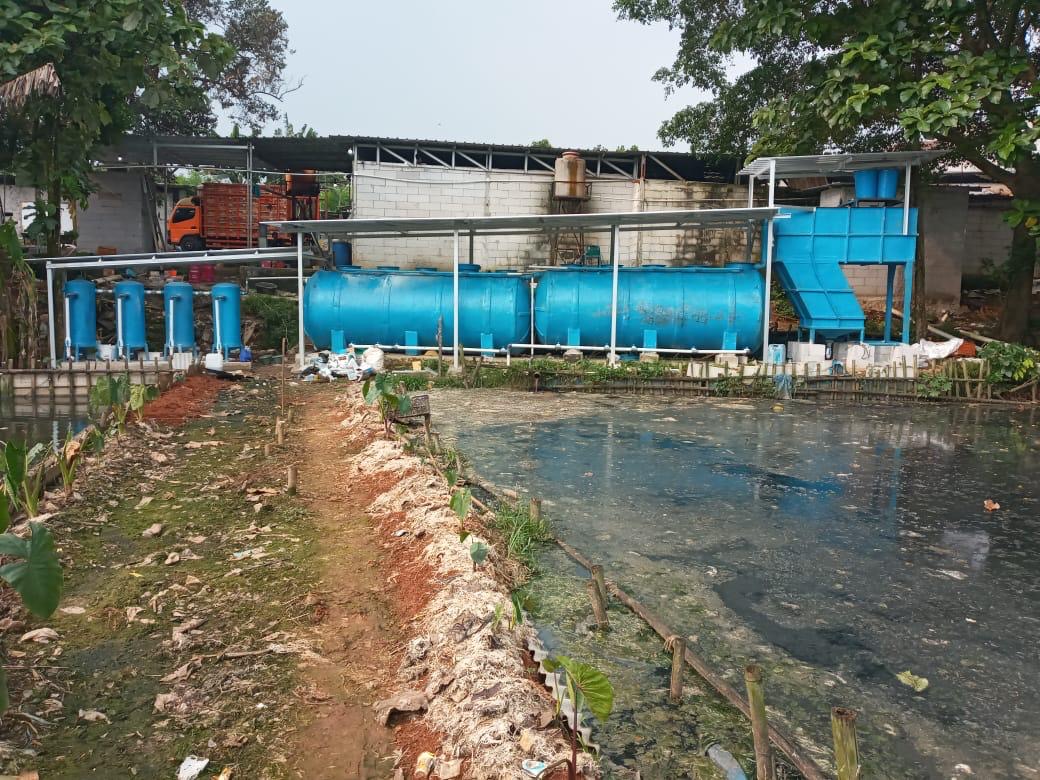
According to the analysis report from the KAN-accredited laboratory (Sucofindo), this system has been shown to reduce pollutant loads by more than 90%:
- The BOD & COD levels fall sharply below the maximum limits specified by the discharge standards.
- TSS (Total Suspended Solids) and Oil/Grease are significantly reduced, resulting in clear, odorless effluent.
Conclusion & Smartway MTC Consulting Services
A reliable IPAL system meets regulatory obligations and provides a strategic investment in your business reputation and long-term operations (sustainable business).
Smartway MTC provides integrated consulting services:
- WWTP Audit & Capacity Design based on your company’s daily wastewater flow.
- Supply of Biofilter Septic Tanks, Communal IPAL Systems & Grease Traps with KLHK environmental certification and PUPR technical inspection authorization.
- Training & Support for IPAL Operators to ensure effective system maintenance over the long term.
Discuss your wastewater treatment and industrial sanitation needs with our expert team through the Smartway MTC WhatsApp hotline.
Share this article: